

Highlights
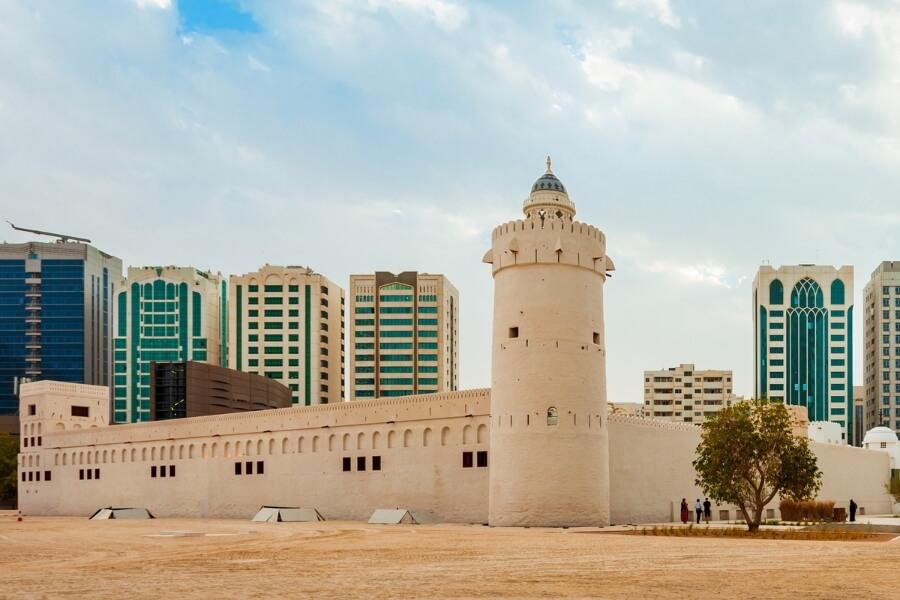
Discover the historic charm of Qasr Al Hosn Fort, the oldest standing structure in Abu Dhabi and a powerful symbol of the city’s heritage. This iconic site has served as the home of the ruling Al Nahyan family, the seat of government, a consultative council, and eventually the national archive. A visit to Qasr Al Hosn offers an authentic glimpse into Emirati culture, traditions, and the stories that shaped the nation.
- Qasr Al Hosn tickets give you entry to the oldest stone building in Abu Dhabi — an 18th-century fort and palace built from coral stone in the 1790s, right in the heart of the city.
- Explore the Inner Fort (built 1795) and the Outer Palace (1940s) — two centuries of royal history preserved in a single site.
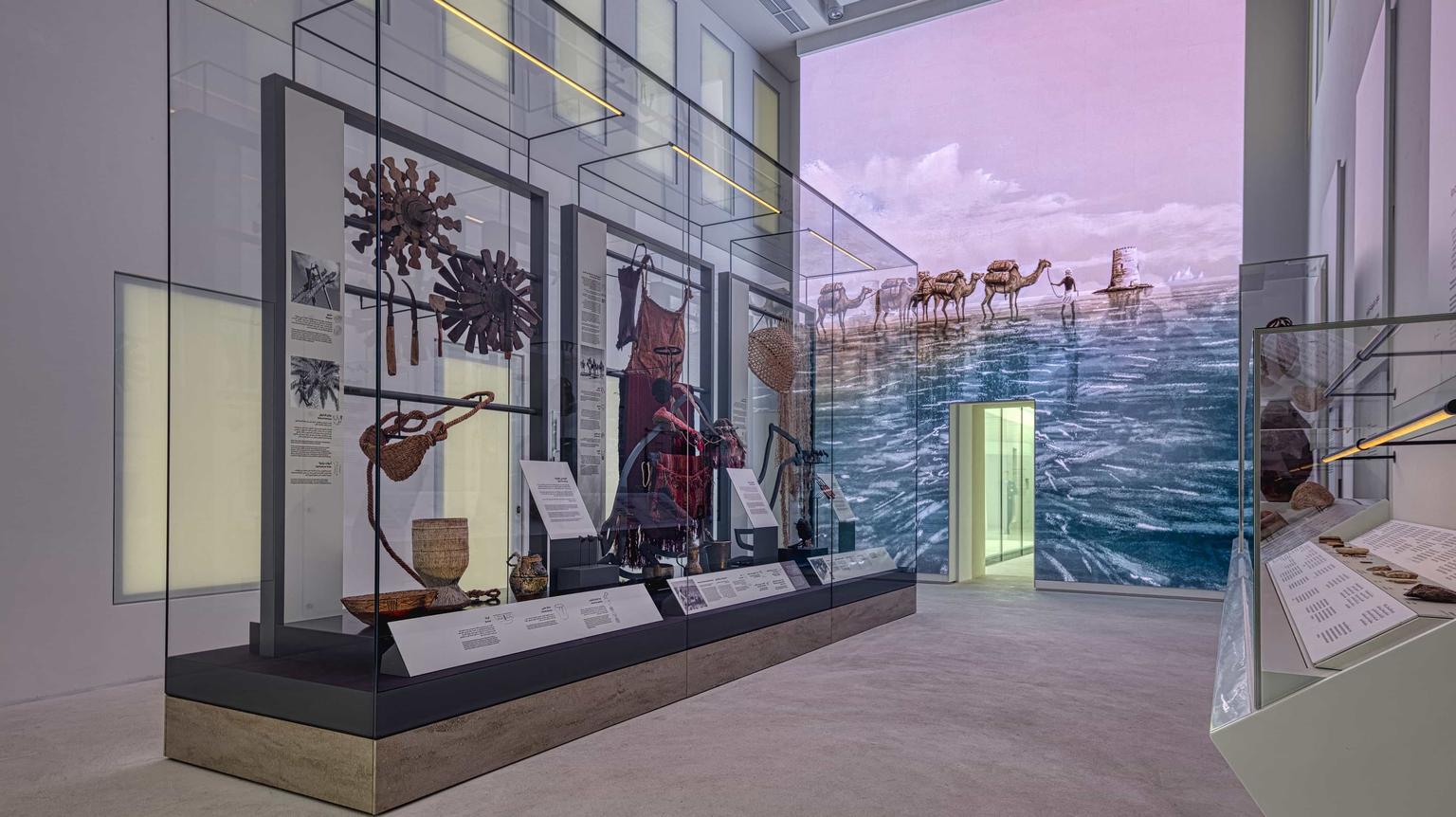
- Browse over 8,000 years of artifacts and exhibits at the Qasr Al Hosn museum, including items dating back to 6000 BC.
- Trace Abu Dhabi's journey from a small pearling and fishing village to a global capital, through interactive displays and archival collections.
- See live demonstrations of traditional Emirati crafts at the House of Artisans — Al-Sadu weaving, Khoos palm-leaf basketry, and Talli embroidery.
- Discover the world of Arabic coffee at Bait Al Gahwa — from roasting and grinding to the traditional serving ceremony.
- Enjoy free access to the Cultural Foundation, the region's first multipurpose arts and community centre.
Availablity
Included in the TimeQasr Al Hosn Fort Overview
Qasr Al Hosn tickets are the easiest way to experience the most important heritage site in Abu Dhabi. Qasr Al Hosn Fort is the oldest building in the city. It was built in the 1790s from coral stone and sea stone as a watchtower to guard the only freshwater well on the island. Over the years it became a royal palace, a seat of government, and eventually the national archive. After nearly a decade of restoration, it reopened in 2018 as a world-class museum and cultural complex.
One ticket covers everything on site. You get access to the Qasr Al Hosn museum, the Inner Fort, the Outer Palace, the House of Artisans, Bait Al Gahwa, the Cultural Foundation, and the outdoor grounds — all included. There are no hidden extras for any of these attractions.
What to Expect at the Qasr Al Hosn Abu Dhabi
Qasr Al Hosn Fort – Inner Fort & Outer Palace
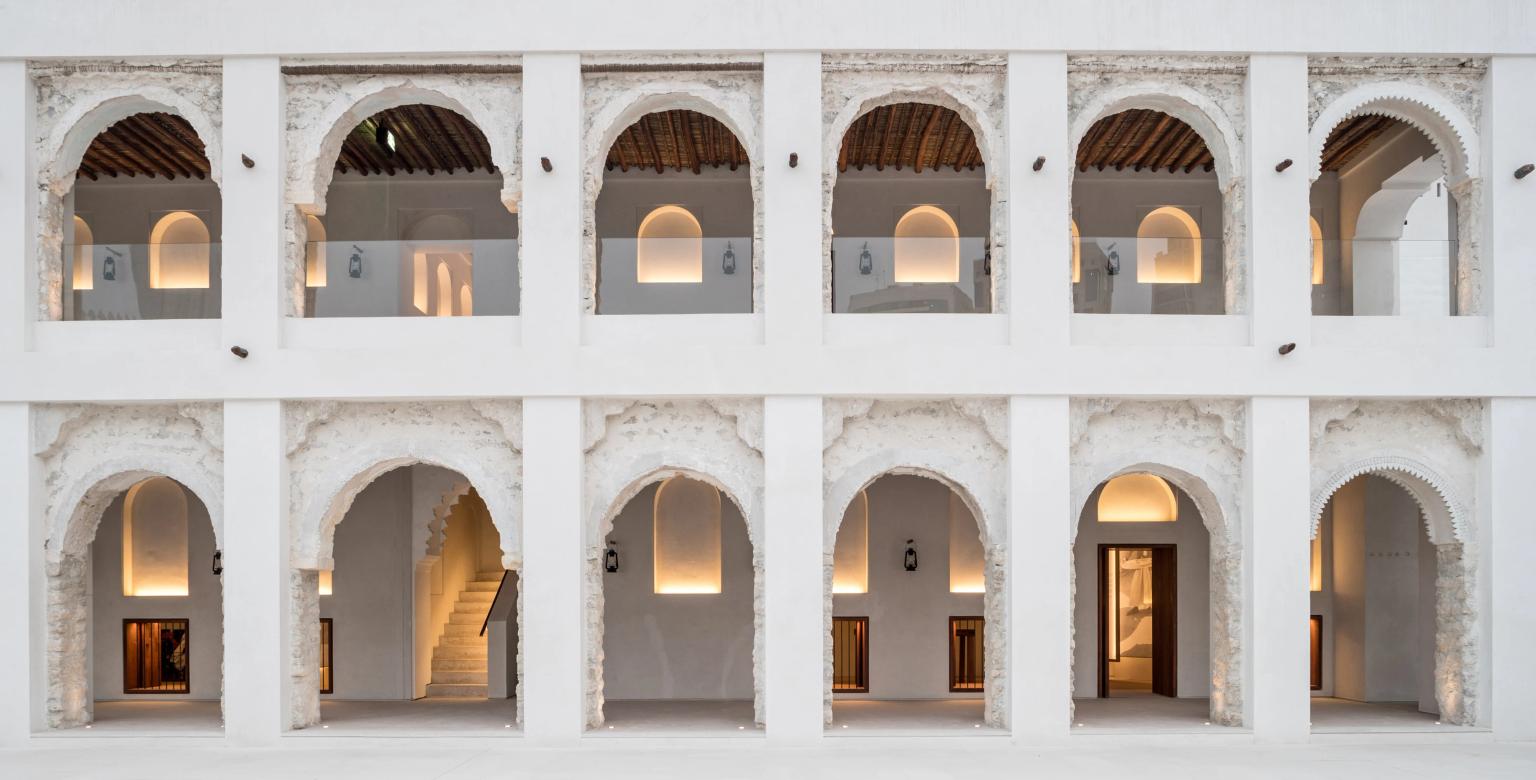
Start at the Inner Fort — the site's oldest part, completed around 1795. Walk through thick coral stone walls, a central courtyard, and restored royal rooms that tell the story of Abu Dhabi's early rulers. Then move through to the Outer Palace, built in the 1940s, where you can see how the city began to modernize and grow. Both sections are packed with interactive displays and curated exhibits that make the history easy to follow and genuinely engaging.
Qasr Al Hosn Museum – 8,000 Years of History
The Qasr Al Hosn museum brings together artifacts, maps, archival photos, and historical objects covering over 8,000 years of civilization — including items from as early as 6000 BC. Large interactive screens and guided displays walk you through the pearl trade era, early oil discoveries, and the formation of the UAE. It is one of the most complete historical records of Gulf civilization available to visitors anywhere in the region.
House of Artisans – Live Craft Demonstrations
Watch master craftspeople demonstrate traditional Emirati skills passed down for generations. Al-Sadu is the Bedouin art of hand-weaving geometric patterns from wool — recognized by UNESCO as intangible cultural heritage. Khoos involves weaving date palm leaves into baskets and household objects. Talli is a fine embroidery using metallic threads, traditionally sewn onto the cuffs and hems of Emirati women's clothing. Entry to the House of Artisans is fully included with your ticket.
Bait Al Gahwa – The Arabic Coffee Experience
Arabic coffee — known as gahwa — is one of the most important symbols of Emirati hospitality. At Bait Al Gahwa, you learn the full process: how beans are selected, roasted, ground with cardamom, brewed, and served. You also learn the cultural rules around gahwa — how it is offered to guests, what it communicates, and why it holds UNESCO recognition as intangible heritage. It is one of the most memorable parts of the visit.
Qasr Al Hosn Ticket Price & Opening Hours
Qasr Al Hosn ticket price: AED 21 per adult (18 and above). Children under 18 enter free — collect a complimentary ticket on-site. The House of Artisans, Cultural Foundation, and all outdoor areas are included at no extra cost.
Opening Hours:
- Saturday to Thursday: 9:00 AM – 8:00 PM
- Friday: 2:00 PM – 8:00 PM
- Al Hosn Festival (January – February): Daily 4:00 PM – 11:00 PM, last entry 10:30 PM
Tour Inclusions
- Entry to Qasr Al Hosn Fort — Inner Fort and Outer Palace
- Full access to the Qasr Al Hosn museum and all permanent exhibitions
- House of Artisans — live craft demonstrations
- Bait Al Gahwa — Arabic coffee cultural experience
- Cultural Foundation — art exhibitions and performances
- National Consultative Council building
- Landscaped outdoor grounds across the Al Hosn site
- Guided orientation by the Visitor Services Team on arrival
- Complimentary Wi-Fi across the entire site
How to Book Qasr Al Hosn Tickets Online
Booking your Qasr Al Hosn tickets takes under two minutes. Pick your visit date, select the number of adults, and check out. You get instant confirmation by email and a mobile e-voucher — no printing needed. Show your QR code at the gate and you are in.
Book in advance during peak season (October to March) and the Al Hosn Festival period. The site regularly reaches full capacity during these times and walk-in tickets are not always available.
How to Redeem Your Tickets
- Show your mobile e-ticket or printed voucher at the entrance turnstiles.
- Each visitor needs their own QR code — tickets cannot be shared.
- A Visitor Services Team member will scan your ticket and take you to the orientation room.
- The orientation room gives you a quick introduction to the site layout and current exhibitions.
- If the site is at full capacity, you will be directed to the House of Artisans or Cultural Foundation while you wait.
Important Information
- Bring a valid government-issued photo ID. The name on your ID must match your booking.
- Dress modestly — clothing covering shoulders and knees is required in line with UAE cultural guidelines.
- Wear comfortable, closed-toe walking shoes. The site has uneven cobblestone and outdoor surfaces.
- Bring sunglasses and a water bottle, especially for outdoor areas.
- Prohibited items: food and drinks, DSLR cameras, recording equipment, selfie sticks, tripods, and portable seating.
- Smoking is allowed in designated areas only.
- Pets are not permitted on site.
- Tickets are non-refundable. The visit date can be changed within the ticket validity period.
Explore More in Abu Dhabi
After visiting Qasr Al Hosn, continue your cultural journey at Qasr Al Watan, explore world-renowned art at Louvre Abu Dhabi, admire the architectural beauty of Sheikh Zayed Grand Mosque, or discover scientific wonders at Natural History Museum Abu Dhabi.
Reviews ( reviews)
Location